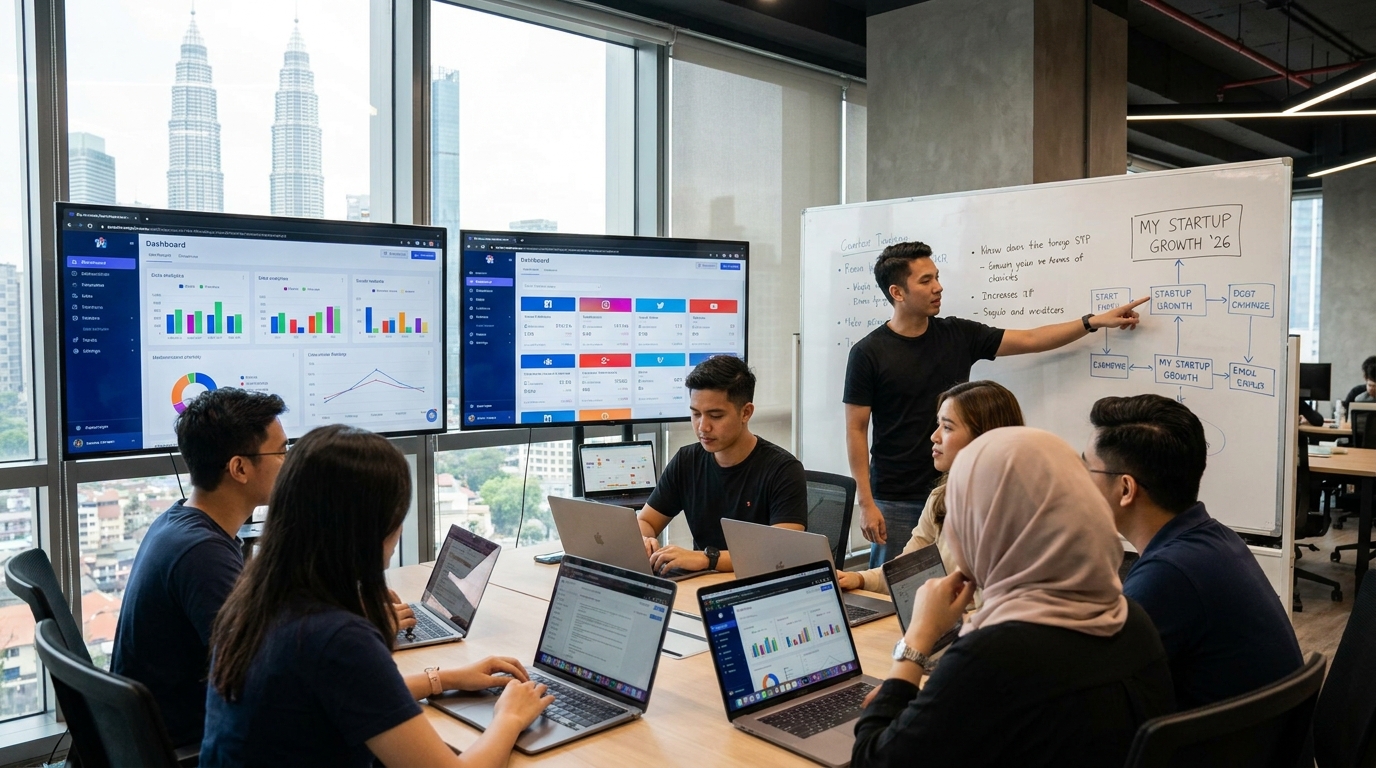
The digital landscape is no longer just an option; it’s the primary arena where Malaysian businesses compete. Your website is your digital storefront, your 24/7 salesperson, and often the first impression potential customers have of your brand. But simply having a website isn’t enough. To truly master web development and unlock its full potential for your business, you need to understand the essential skills that drive success.
Think of it like building a physical shop. You wouldn’t just throw up a few walls and expect customers to flock in. You need a well-designed layout, clear signage, secure doors, and a welcoming atmosphere. Web development is no different, just digital. The right skills ensure your online presence is not just functional, but also effective in attracting, engaging, and converting visitors into paying customers. This article will guide you through the core competencies that make a real difference for your business.
Understanding the User: The Foundation of a Winning Website
Before a single line of code is written, the most crucial skill is understanding your target audience. Who are you trying to reach? What are their needs, desires, and pain points? This isn’t just about demographics; it’s about psychological drivers that influence their online behaviour.
Who is Your Ideal Customer?
- Demographics: Age, location (are they in KL, Penang, JB, or further afield?), occupation, income level.
- Psychographics: Lifestyle, values, interests, attitudes. What makes them tick?
- Online Habits: What platforms do they use? How do they typically search for products or services like yours? Do they frequent Lazada or Shopee?
Mapping the Customer Journey
- The customer journey is the path a potential customer takes from initial awareness of your brand to becoming a loyal advocate.
- Your website needs to cater to each stage of this journey, providing relevant information and a seamless experience.
- Consider how a customer might discover you through a Google search, a social media ad, or even a referral from a friend.
User Experience (UX) Design Principles
- Intuitive Navigation: Visitors should easily find what they are looking for. Menus should be clear and logically structured.
- Ease of Use: The website should be simple to navigate and interact with, regardless of the user’s technical proficiency. Avoid overly complex forms or confusing processes.
- Accessibility: Ensure your website is usable by everyone, including individuals with disabilities. This is becoming increasingly important and is a consideration under regulations like the PDPA (Personal Data Protection Act) indirectly, ensuring fair access.
For web developers looking to enhance user engagement through innovative technologies, the article on personalized web experiences using AI in Malaysia provides valuable insights. You can read more about this topic and how it can transform web development practices by visiting the article here: Personalized Web Experiences Through AI in Malaysia.
The Art of Visual Appeal: Letting Your Brand Shine
While functionality is key, the visual design of your website can significantly impact user perception and engagement. A good design builds trust and communicates professionalism.
Branding Consistency
- Your website should be a visual extension of your brand identity. This includes using your logo, brand colours, and consistent typography.
- A strong brand presence makes your business memorable and distinguishable from competitors.
Responsive Design: Catering to Every Screen
- In Malaysia, smartphone penetration is sky-high. Your website must look and function flawlessly on all devices: desktops, tablets, and smartphones.
- Responsive design automatically adjusts the layout and content to fit the screen size, providing an optimal viewing experience everywhere. This directly impacts how many potential customers you retain.
Compelling Visual Content
- High-quality images and videos can tell your brand’s story more effectively than text alone.
- Use product photos that showcase your offerings in the best light, or showcase your services with professional imagery. This is crucial for e-commerce platforms like Shopee and Lazada.
The Backbone: Essential Technical Development Skills
This is where the actual “building” of the website happens. While you might not be doing the coding yourself, understanding these core technical aspects is vital for making informed decisions.
Frontend Development: What Users See and Interact With
- This is all about the user interface (UI) – the look and feel of your website.
- Key technologies include HTML (structure), CSS (styling), and JavaScript (interactivity). These are the building blocks of what appears on a user’s screen.
Backend Development: Powering the Engine
- The backend is the “behind-the-scenes” engine that makes your website work. It handles databases, server logic, and application functionality.
- Popular languages include Python, Java, PHP, and Node.js. The choice often depends on the complexity and scale of your web application.
Database Management: Storing and Retrieving Information
- Your website likely needs to store information, whether it’s customer details, product inventories, or blog posts.
- Databases like MySQL, PostgreSQL, or MongoDB manage this data efficiently. Knowing how data is organized is crucial for performance and security.
Content Management Systems (CMS): Simplifying Updates
- For many SMEs, a CMS like WordPress, Drupal, or Joomla is essential.
- It allows you to create, manage, and modify website content without needing to code. This empowers your team to keep your site fresh and relevant.
Search Engine Optimization (SEO): Making Yourself Discoverable
Having a beautifully designed and technically sound website is useless if no one can find it. This is where Search Engine Optimization (SEO) comes in.
Keyword Research: Understanding Search Intent
- What terms are your potential customers using when searching for your products or services on search engines like Google?
- Keyword research helps identify these terms, allowing you to tailor your website content to match search intent. In Malaysia, this includes considering Malay and Chinese search terms too.
On-Page SEO Factors
- This involves optimizing elements on your website’s pages.
- This includes using relevant keywords in page titles, headings, meta descriptions, and body content.
- Ensuring your website has a fast loading speed is also a critical on-page factor.
Off-Page SEO Strategies
- This refers to activities outside your website that influence your rankings.
- Building high-quality backlinks from reputable websites is a major component. Think of them as votes of confidence for your site.
- Engaging on social media and maintaining a good online reputation also play a role.
For web developers looking to enhance their skills in search engine optimization, understanding the nuances of SEO is crucial. A great resource that delves into this topic is an article that provides a comprehensive overview of SEO strategies specifically tailored for small businesses in Malaysia. You can read more about it in this complete guide to SEO, which offers valuable insights and practical tips that can help developers optimize their projects effectively.
Security and Performance: The Unseen Essentials
No matter how attractive or functional your website is, security and performance are non-negotiable. A breached website or a sluggish one can severely damage your reputation and bottom line.
Website Security Measures
- Protecting your website from cyber threats is paramount. This is especially relevant with the MCMC (Malaysian Communications and Multimedia Commission) increasingly focusing on online safety.
- Key measures include using SSL certificates (the padlock symbol in the browser), strong passwords, and regular software updates.
- Understanding data privacy and compliance with the PDPA is crucial for handling customer information securely.
Optimizing Website Speed
- Users have short attention spans online. A slow-loading website will lead to high bounce rates – visitors leaving without engaging.
- Optimizing images, minifying code, and using a reliable hosting provider are effective ways to improve speed. This directly impacts user experience and SEO.
Regular Backups and Maintenance
- Implementing a schedule for regular website backups ensures you can restore your site in case of any disaster or data loss.
- Consistent website maintenance, including updating plugins and themes, keeps everything running smoothly and securely.
Mastering web development isn’t about mastering every single technical detail. It’s about understanding these core pillars and how they work together to create an effective online presence that drives tangible business results. By focusing on user needs, visual appeal, technical soundness, discoverability, and security, your business can build a digital asset that truly works for you in today’s competitive Malaysian market.
FAQs
What is a web developer?
A web developer is a programmer who specializes in the development of applications relating to the World Wide Web or distributed network applications, which typically run protocols like HTTP from a web server to a client browser using associated programming languages like HTML/CSS, JavaScript, and more.
What are the responsibilities of a web developer?
Web developers are responsible for designing, coding, and modifying websites, from layout to function and according to a client’s specifications. They strive to create visually appealing sites that feature user-friendly design and clear navigation.
What skills are required to become a web developer?
Web developers should have proficiency in programming languages such as HTML, CSS, and JavaScript, as well as a solid understanding of web development tools and technologies. Additionally, they should possess problem-solving skills, attention to detail, and the ability to work in a team environment.
What is the difference between a front-end and back-end web developer?
Front-end web developers focus on the visual and interactive aspects of a website, using languages like HTML, CSS, and JavaScript to create the user interface and experience. Back-end web developers, on the other hand, work on the server-side of web development, dealing with databases, server configuration, and the logic of the application.
What are the career prospects for web developers?
The demand for web developers is expected to grow as businesses and organizations continue to rely on websites and web applications. Web developers can work in a variety of industries, including technology, e-commerce, and marketing, and may have opportunities for advancement into roles such as senior developer, technical lead, or project manager.