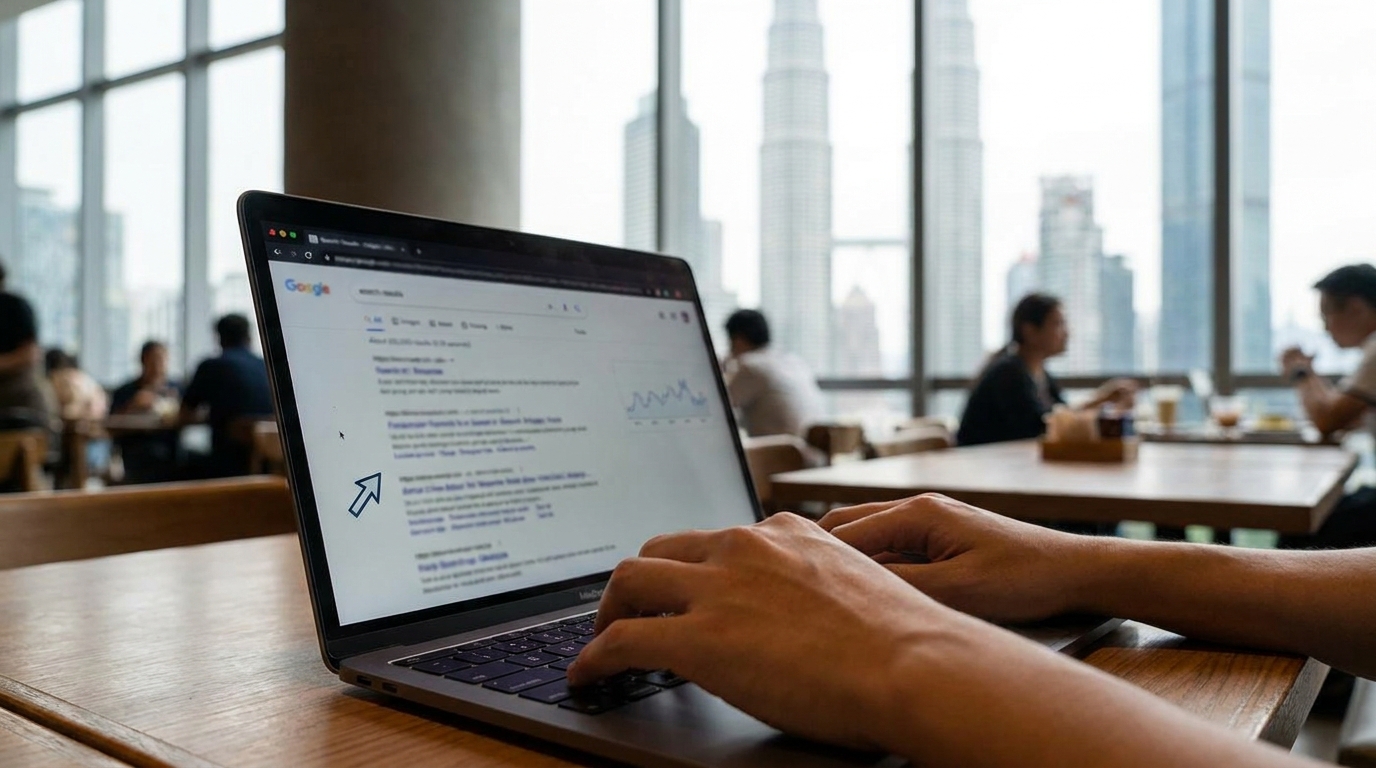
As Malaysian entrepreneurs, we know that the first step to launching a successful e-commerce business is thorough market research. Understanding our target audience is crucial. We need to dive deep into the demographics, preferences, and buying behaviors of Malaysian consumers. For instance, are we targeting young professionals in Kuala Lumpur who prefer trendy fashion, or are we focusing on families in Penang looking for affordable home essentials? By identifying our niche, we can tailor our offerings to meet specific needs, making our business more appealing.
Moreover, we should also analyze our competitors. What are they doing well? Where are their gaps? Tools like Google Trends can help us gauge interest in various products over time. Additionally, local platforms such as Carousell and Shopee can provide insights into popular items and pricing strategies. By understanding the competitive landscape, we can position ourselves effectively and carve out a unique space in the Malaysian e-commerce market.
If you’re looking to start an online store in Malaysia, it’s essential to understand the digital landscape and how to effectively reach your target audience. A great resource that complements this topic is an article on WordPress blog design for Malaysian content creators, which can provide valuable insights into creating an engaging online presence. You can read more about it here: WordPress Blog Design for Malaysian Content Creators. This article offers tips on optimizing your website, which is crucial for attracting customers to your online store.
Choose the Right E-commerce Platform
Once we’ve identified our niche, the next step is to choose the right e-commerce platform. In Malaysia, we have several options available, each with its own set of features and benefits. For instance, platforms like Shopify and WooCommerce are popular for their user-friendly interfaces and extensive customization options. They allow us to create a professional-looking online store without needing extensive technical knowledge.
However, we should also consider local platforms like Lazada and Zalora, which already have a significant customer base in Malaysia. Selling on these platforms can provide us with immediate access to a large audience. Ultimately, the choice of platform should align with our business goals, budget, and technical capabilities. We must weigh the pros and cons carefully to ensure we select a platform that will support our growth in the competitive Malaysian e-commerce landscape.
Register Your Business and Obtain Necessary Permits
After selecting our e-commerce platform, it’s time to make our business official. Registering our business is a crucial step that not only legitimizes our operations but also builds trust with our customers. In Malaysia, we can register our business with the Companies Commission of Malaysia (SSM). This process is relatively straightforward and can often be completed online.
Additionally, depending on the nature of our products, we may need to obtain specific permits or licenses. For example, if we plan to sell food items, we must comply with regulations set by the Ministry of Health Malaysia. It’s essential to familiarize ourselves with these requirements early on to avoid any legal issues down the line. By ensuring that we are fully compliant, we can focus on growing our business without any unnecessary distractions.
Set Up Payment Gateways and Shipping Options
With our business registered and ready to go, we need to set up payment gateways and shipping options that cater to Malaysian consumers. Offering multiple payment methods is vital; Malaysians appreciate flexibility when it comes to transactions. Popular options include credit cards, online banking via platforms like Maybank2u or CIMB Clicks, and e-wallets such as GrabPay or Touch ‘n Go eWallet.
Shipping is another critical aspect of our e-commerce operations. We should partner with reliable logistics providers that offer affordable rates and timely deliveries. In Malaysia, services like Pos Malaysia and Ninja Van are popular choices among SMEs for their efficiency and coverage. By providing clear shipping options and transparent costs at checkout, we can enhance the overall shopping experience for our customers.
If you’re considering starting an online store in Malaysia, it’s essential to explore various tools and strategies that can enhance your business. One innovative approach is incorporating AI chatbots into your website design, which can significantly improve customer engagement and support. For insights on how to effectively implement this technology, you can check out this informative article on incorporating AI chatbots in Malaysian website design. This resource will provide you with valuable information that can help streamline your online operations and enhance the shopping experience for your customers.
Create a User-friendly Website and Mobile App
| Steps to Start an Online Store in Malaysia | Details |
|---|---|
| Market Research | Understand the target audience, competition, and demand for products. |
| Business Registration | Register the business with the Companies Commission of Malaysia (SSM). |
| Choose a Platform | Select an e-commerce platform like Shopify, WooCommerce, or Magento. |
| Payment Gateway | Set up a secure payment gateway to accept online payments. |
| Product Sourcing | Find reliable suppliers or create your own products. |
| Website Development | Design and develop a user-friendly website for the online store. |
| Marketing Strategy | Plan for digital marketing, social media, and SEO to attract customers. |
| Logistics and Delivery | Set up a reliable shipping and delivery system for orders. |
| Customer Service | Provide excellent customer support and handle inquiries efficiently. |
In today’s digital age, having a user-friendly website is non-negotiable for any e-commerce business in Malaysia. Our website should be visually appealing, easy to navigate, and optimized for mobile devices since many Malaysians shop using their smartphones. We can achieve this by using responsive design principles that ensure our site looks great on any screen size.
Additionally, incorporating features like product filters, search functionality, and customer reviews can significantly enhance user experience. A well-designed website not only attracts visitors but also encourages them to make purchases. If we have the resources, developing a mobile app can further streamline the shopping experience for our customers, allowing them to browse and shop conveniently from anywhere.
Develop a Marketing Strategy to Drive Traffic and Sales
Once our online store is up and running, we need a robust marketing strategy to drive traffic and sales. In Malaysia’s competitive e-commerce landscape, leveraging digital marketing channels is essential. We can start by optimizing our website for search engines (SEO) to improve visibility on Google Malaysia. This involves using relevant keywords related to our products throughout our site content.
Social media marketing is another powerful tool at our disposal. Platforms like Facebook and Instagram are widely used in Malaysia, making them ideal for reaching potential customers. We can create engaging content that showcases our products while also running targeted ads to reach specific demographics. Collaborating with local influencers can also help us tap into new audiences and build credibility within our niche.
Build a Strong Social Media Presence
Building a strong social media presence is crucial for engaging with our customers and promoting our brand in Malaysia. We should create profiles on popular platforms like Facebook, Instagram, and TikTok where we can share updates about new products, promotions, and behind-the-scenes content that resonates with our audience.
Engagement is key; we should actively respond to comments and messages from customers to foster a sense of community around our brand. Hosting contests or giveaways can also encourage user participation and increase brand awareness. By consistently sharing valuable content and interacting with our followers, we can cultivate loyalty among our customer base.
Offer Excellent Customer Service and Support
In the world of e-commerce, excellent customer service can set us apart from competitors in Malaysia. We should prioritize providing timely responses to inquiries and resolving issues efficiently. Implementing live chat support on our website can enhance customer experience by offering immediate assistance.
Additionally, creating a comprehensive FAQ section can help address common questions and concerns that customers may have about our products or services. By demonstrating that we value customer satisfaction, we can build trust and encourage repeat purchases from satisfied customers.
Monitor and Analyze Your Store’s Performance
To ensure the success of our e-commerce business in Malaysia, we must continuously monitor and analyze our store’s performance. Utilizing tools like Google Analytics allows us to track key metrics such as website traffic, conversion rates, and customer behavior on our site.
By analyzing this data, we can identify trends and areas for improvement. For instance, if we notice high traffic but low conversion rates, it may indicate issues with our product descriptions or checkout process. Regularly reviewing performance metrics enables us to make informed decisions that drive growth and enhance customer experience.
Expand Your Product Range and Reach New Customers
As we establish ourselves in the Malaysian e-commerce market, expanding our product range can help us attract new customers and increase sales. We should keep an eye on emerging trends within our niche and consider introducing complementary products that align with our brand.
Additionally, exploring new sales channels can broaden our reach. For example, participating in local online marketplaces or collaborating with other businesses for cross-promotions can introduce us to new audiences. By diversifying our offerings and sales strategies, we can create more opportunities for growth in the competitive Malaysian market.
Stay Updated with the Latest E-commerce Trends and Technologies
Finally, staying updated with the latest e-commerce trends and technologies is essential for maintaining a competitive edge in Malaysia’s dynamic market. We should regularly follow industry news through blogs, webinars, or local events hosted by organizations like SME Corp or MyDIGITAL.
Emerging technologies such as AI tools like ChatGPT or Gemini can enhance customer interactions through personalized recommendations or automated support systems. By embracing innovation and adapting to changing consumer behaviors, we can ensure that our e-commerce business remains relevant and successful in the long run.
In conclusion, launching an e-commerce business in Malaysia requires careful planning and execution across various aspects—from market research to customer service. By following these steps diligently, we can build a thriving online store that meets the needs of Malaysian consumers while also contributing to the growth of the local economy.
If you’re ready to take your e-commerce journey to the next level but need assistance with web design, SEO, digital marketing, or e-commerce solutions tailored for Malaysian businesses, reach out to us at 8Web! Together, let’s create an online presence that stands out in the vibrant Malaysian market!
FAQs
1. What are the legal requirements for starting an online store in Malaysia?
To start an online store in Malaysia, you will need to register your business with the Companies Commission of Malaysia (SSM) and obtain a business license. You will also need to comply with the Personal Data Protection Act (PDPA) and the Consumer Protection Act.
2. What are the popular payment gateways used for online stores in Malaysia?
Popular payment gateways used for online stores in Malaysia include PayPal, iPay88, MOLPay, and eGHL. These payment gateways allow customers to make secure online payments using various methods such as credit/debit cards, online banking, and e-wallets.
3. How can I market my online store in Malaysia?
You can market your online store in Malaysia through social media marketing, search engine optimization (SEO), influencer marketing, and email marketing. It’s also important to localize your marketing efforts by understanding the preferences and behaviors of Malaysian consumers.
4. What are the logistics and shipping considerations for an online store in Malaysia?
When starting an online store in Malaysia, you will need to consider logistics and shipping options. You can work with local courier services such as Pos Laju, GDEX, or DHL to handle shipping within Malaysia and internationally. It’s important to calculate shipping costs and delivery times accurately to provide a positive customer experience.
5. Are there any specific e-commerce regulations in Malaysia that I need to be aware of?
In Malaysia, e-commerce businesses are required to comply with the Electronic Commerce Act 2006, which governs electronic transactions and provides legal recognition for electronic messages and contracts. Additionally, businesses must adhere to the Consumer Protection (Electronic Trade Transactions) Regulations 2012, which covers aspects such as disclosure of information, contract formation, and payment security for online transactions.