Business Impact: Imagine losing RM10,000 in potential sales this quarter because your website loads slowly and looks outdated. For many Malaysian SMEs, that’s a silent reality. A compelling, modern website isn’t just a luxury; it’s a direct lever for revenue growth.
Many Malaysian businesses, from family-run kopitiams expanding online in Penang to thriving tech startups in Cyberjaya, understand the critical role their website plays. It’s often the first, and sometimes only, impression a potential customer has. In a market where millions of Ringgit are exchanged daily on platforms like Shopee and Lazada, having a professional, user-friendly, and secure online presence is no longer optional. It’s fundamental to staying competitive and relevant. This isn’t about simply having a website; it’s about having one that actively works for your business, converting visitors into loyal customers.
The digital landscape in Malaysia evolves at a frantic pace. What was cutting-edge five years ago might now feel sluggish and outmoded. Think about your own online habits. Do you stick around on a site that takes forever to load or looks like it was built in the early 2000s? Probably not. Your customers are no different. They expect a seamless, intuitive experience. A website refresh goes beyond just changing the colours; it’s about reimagining your online storefront to meet contemporary expectations and, more importantly, to achieve your business goals.
The Cost of Stagnation: Lost Opportunities in the Digital Age
An outdated website doesn’t just look bad; it actively harms your business. Slow loading times directly impact your search engine rankings, making it harder for potential customers to find you on Google. A clunky interface can frustrate visitors, leading to high bounce rates and abandoned shopping carts. This translates directly to lost sales and wasted marketing spend.
Beyond Aesthetics: A Functionality Overhaul
A refresh often involves updating the underlying technology. This could mean moving to a more robust content management system (CMS), integrating new features like online booking or live chat, or ensuring your site is fully responsive across all devices, from a smartphone in Johor Bahru to a tablet in Kuala Lumpur. It’s about ensuring your website isn’t just pretty, but powerful.
If you’re looking to enhance your online presence, consider exploring the article on fast WordPress website design specifically tailored for Malaysian SMEs. This resource provides valuable insights into creating efficient and visually appealing websites that cater to the unique needs of small and medium enterprises. To learn more about optimizing your website design, visit this article.
The Pitfalls of DIY: When Not to Go It Alone
For many Malaysian SMEs, the temptation to “jimmy rig” a website themselves using free builders is strong. While admirable in its cost-saving intent, this approach often leads to more problems than solutions in the long run. Building a genuinely effective business website requires far more than just basic technical know-how. It demands an understanding of design principles, user experience (UX), search engine optimisation (SEO), and conversion strategies.
Limited Customisation and Scalability Issues
Free website builders often come with rigid templates and limited customisation options. This can make it difficult to truly reflect your brand identity or to scale your website as your business grows. What works for a small initial presence might quickly become a bottleneck when you need to add more products, services, or sophisticated functionalities.
Security Vulnerabilities and Lack of Expert Support
Security is paramount, especially when handling customer data. Free platforms may not offer the same level of security or regular updates as professional solutions. Furthermore, when problems inevitably arise – be it a technical glitch or a new feature implementation – a DIY approach means you’re on your own, potentially wasting valuable time and resources trying to troubleshoot issues that a professional team could resolve quickly.
What to Look for in a Top Malaysian Digital Design Company
Choosing the right partner for your website revamp is a critical decision. You’re not just hiring someone to build a website; you’re investing in your digital future. It’s crucial to select a company that understands the Malaysian market, your business objectives, and has a proven track record of delivering results.
A Strong Portfolio and Relevant Case Studies
Always ask to see their portfolio. Look for examples of websites they’ve designed for businesses similar to yours, or within your industry. Pay attention to the quality of the design, the functionality, and if possible, ask about the results those businesses saw after the revamp. A good agency will be proud to share their successes.
Expertise in UX/UI Design
User Experience (UX) and User Interface (UI) are not buzzwords; they are fundamental to a successful website. A top design company will prioritise how users interact with your site (UX) and how visually appealing and intuitive it is (UI). This means understanding your target audience, their needs, and designing a site that makes it easy for them to find information, make purchases, or contact you.
SEO Acumen and Digital Marketing Integration
A beautiful website is useless if no one can find it. A top design company will integrate Search Engine Optimisation (SEO) best practices from the ground up, not as an afterthought. They should also understand how the website fits into your broader digital marketing strategy – linking with your social media, email campaigns, and online advertising efforts.
Transparent Communication and Project Management
Clear communication is key to any successful project. You want a partner who keeps you informed, provides regular updates, and is responsive to your questions and concerns. Look for a company that uses clear project management tools and has a structured approach to the design and development process.
Post-Launch Support and Maintenance
Your website isn’t a “set it and forget it” asset. It requires ongoing maintenance, security updates, and potential future enhancements. Ensure the company offers reliable post-launch support and maintenance packages. This provides peace of mind and ensures your investment continues to perform optimally.
The Revamp Process: From Concept to Conversion
Understanding the stages involved in a professional website revamp can help you manage expectations and actively participate in the process. It’s a collaborative journey, and your input is vital at each step.
Discovery and Strategy – Defining Your Digital Goals
This initial phase is crucial. The design company will work with you to understand your business, your target audience, your competitors, and your specific goals for the new website. Are you looking to increase online sales? Generate more leads? Improve brand awareness? This clarity informs every subsequent decision. We’ll delve into your current website’s performance, identify pain points, and brainstorm solutions.
Wireframing and Prototyping – Blueprints of Your New Site
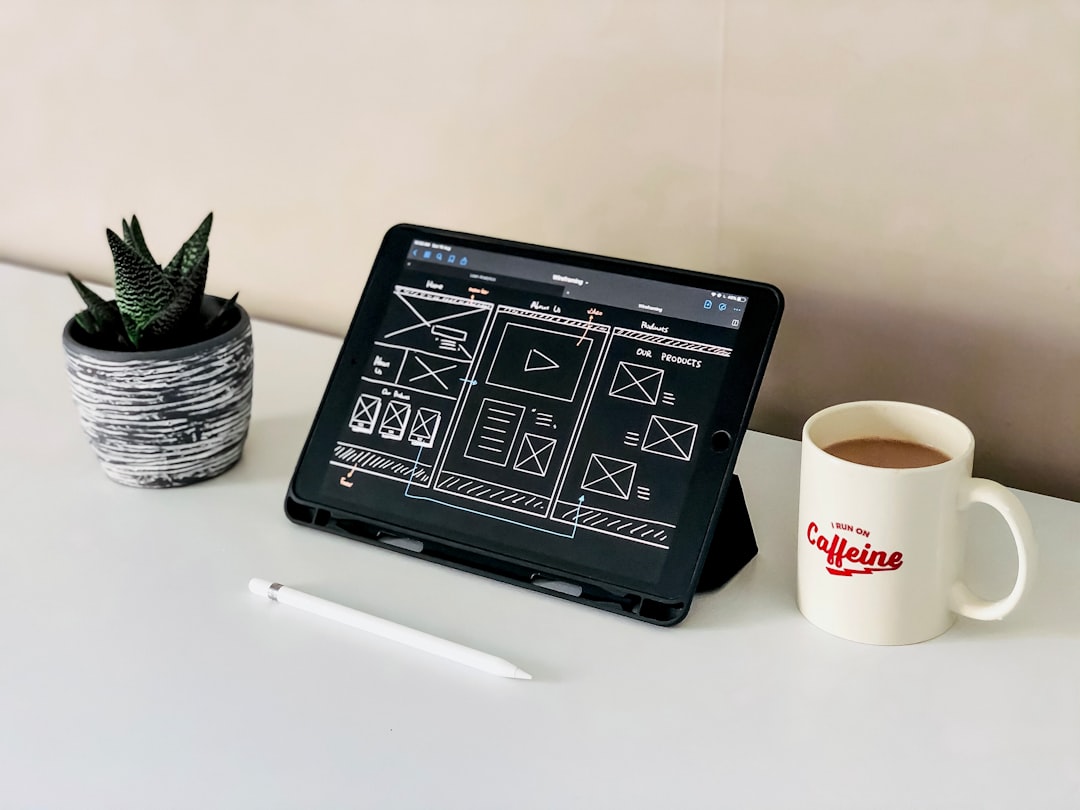
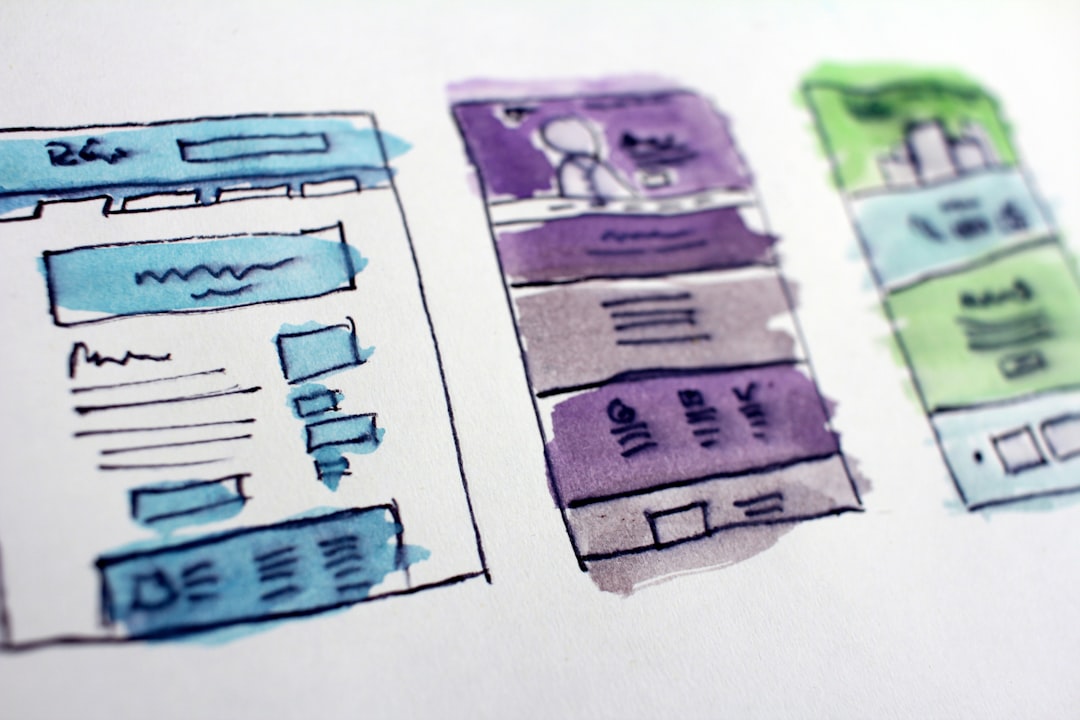
Before any code is written or colours are chosen, the team will create wireframes – basic structural layouts of your web pages. These are like blueprints, focusing on content hierarchy and functionality. Following this, prototypes are developed, which are interactive (though non-functional) versions of the site, allowing you to click through and experience the user flow before final development. This iterative process helps refine the user experience and ensures the site meets your needs.
Design and Content Creation – Bringing Your Brand to Life
This is where your brand’s visual identity comes alive. The designers will create mock-ups of key pages, incorporating your brand colours, fonts, and imagery. Simultaneously, content specialists might work with you to craft engaging, SEO-friendly text that resonates with your target audience. High-quality visuals and compelling copy are crucial for capturing attention and conveying your message effectively.
Development and Testing – Building a Robust Platform
With the design approved, the developers get to work, turning the visual concepts into a functional website. This involves coding, database integration, and implementing all the features discussed during the strategy phase. Rigorous testing is then conducted across various browsers and devices to ensure everything works flawlessly and that the site is responsive, fast, and secure. This includes checks for broken links, form functionality, and payment gateway integration (if applicable).
Launch and Post-Launch Optimisation – Continuous Improvement
The grand unveiling! Once the site is launched, the work isn’t over. A top design company will monitor its performance, analysing metrics such as traffic, bounce rate, conversion rates, and user behaviour. This data informs ongoing optimisation efforts to continuously improve the website’s effectiveness and ensure it remains a powerful asset for your business. We might suggest A/B testing different call-to-actions or refining navigation based on user data.
When considering the best practices for creating an effective online presence, it’s essential to explore various aspects of website design. A recent article on WordPress landing page design specifically tailored for Malaysian marketers provides valuable insights into how to optimize your site for better engagement and conversion rates. You can read more about these strategies in the article linked here: WordPress landing page design for Malaysian marketers. This resource can help you understand the nuances of crafting a visually appealing and functional website that meets the needs of your target audience.
Measuring Success: Beyond Just a Pretty Website
| Metrics | Data |
|---|---|
| Number of Clients | 50 |
| Years in Business | 10 |
| Number of Employees | 25 |
| Customer Satisfaction Rate | 95% |
A website revamp is an investment, and like any investment, it needs to deliver measurable returns. Focusing on the right metrics will help you understand the impact of your new digital presence and justify the resources spent.
Key Performance Indicators (KPIs) to Track
Beyond simply “looking good,” your new website should move the needle on key business indicators.
- Increased Website Traffic: Are more people discovering your business online? Tools like Google Analytics provide invaluable data here.
- Reduced Bounce Rate: Are visitors staying longer and exploring multiple pages, indicating engaging content and a good user experience?
- Higher Conversion Rates: This is critical. Are more visitors turning into customers, leads, or subscribers? For an e-commerce site, this means more sales. For a service provider, it means more inquiries.
- Improved Search Engine Rankings: Is your website appearing higher in Google search results for relevant keywords, meaning more organic traffic?
- Enhanced Brand Perception: Does your professional website better reflect your brand’s values and quality, leading to increased trust and credibility among your target audience?
The Malaysian Landscape: Localised Success Stories
Consider a Penang-based durian supplier who previously struggled with an antiquated website that couldn’t handle peak season orders. After a revamp focusing on speed, mobile responsiveness, and a streamlined ordering process, their online sales soared by 40% in the first quarter, reaching customers both locally and even for delivery to KL. Or the boutique hotel in Langkawi that saw their direct bookings increase by 25% after their new website presented a visually stunning and easily navigable platform, reducing reliance on third-party booking sites. These are tangible, local examples of how a well-executed website revamp directly impacts the bottom line.
A top Malaysian digital design company like 8web.my understands these nuances. We don’t just build websites; we craft digital experiences that resonate with your local audience, adhere to local regulations where needed (like PDPA for data privacy), and ultimately contribute to your business’s growth in the competitive Malaysian market. Your website should be a tireless salesperson, working 24/7, and a strategic asset that fuels your success.
FAQs
What services does a website design company offer?
A website design company typically offers services such as website design and development, graphic design, user experience (UX) design, search engine optimization (SEO), and website maintenance.
How much does it cost to hire a website design company?
The cost of hiring a website design company can vary depending on the scope of the project, the level of customization, and the specific services required. On average, the cost can range from a few hundred to several thousand dollars.
What are the benefits of hiring a website design company?
Hiring a website design company can provide businesses with professional and customized website designs, improved user experience, increased search engine visibility, and ongoing technical support and maintenance.
How long does it take for a website design company to complete a project?
The timeline for completing a website design project can vary depending on the complexity of the project, the client’s requirements, and the availability of resources. On average, a website design project can take anywhere from a few weeks to several months to complete.
What should I look for when choosing a website design company?
When choosing a website design company, it’s important to consider their portfolio, client testimonials, experience, expertise in relevant technologies, communication style, and pricing. It’s also important to ensure that the company can meet your specific business needs and goals.