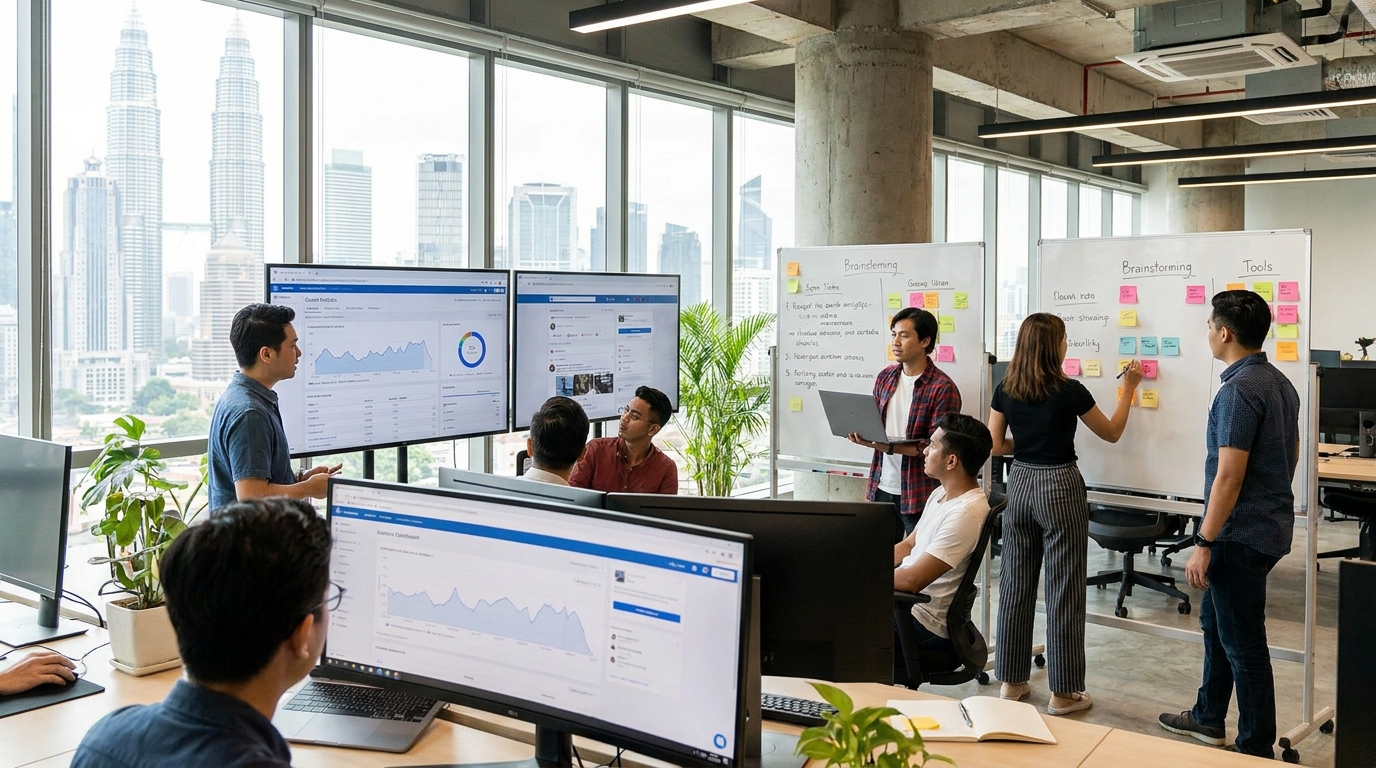
As we step into 2026, the Malaysian digital landscape is evolving at an unprecedented pace. With the government’s MyDIGITAL initiative paving the way for a more digitally inclusive economy, we see a surge in internet penetration and smartphone usage across the nation. This transformation is not just about technology; it’s about how we, as Malaysian SMEs and entrepreneurs, adapt to these changes to thrive in a competitive market. The digital economy is projected to contribute significantly to Malaysia’s GDP, and understanding this landscape is crucial for our businesses to stay relevant.
In this dynamic environment, we must recognize the importance of digital literacy among consumers. Malaysians are becoming increasingly savvy, seeking out brands that resonate with their values and needs. This shift means that our marketing strategies must be more personalized and data-driven. By leveraging insights from digital analytics, we can better understand our target audience’s preferences and behaviors, allowing us to tailor our offerings effectively. As we navigate this landscape, let’s embrace the opportunities that come with it, ensuring our businesses are not just participants but leaders in the digital economy.
As Malaysian startups look to enhance their digital marketing strategies in 2026, incorporating innovative technologies such as AI chatbots can significantly improve customer engagement and streamline operations. A related article that delves into this topic is titled “Incorporating AI Chatbots in Malaysian Website Design,” which provides insights on how these tools can be effectively integrated into website design to boost user experience and drive conversions. For more information, you can read the article here: Incorporating AI Chatbots in Malaysian Website Design.
Leveraging Social Media Platforms Popular in Malaysia
Social media has become an integral part of our daily lives in Malaysia, with platforms like Facebook, Instagram, TikTok, and Twitter dominating the scene. In 2026, these platforms are not just channels for social interaction; they are powerful tools for business growth. By leveraging these platforms effectively, we can engage with our audience in real-time, build brand loyalty, and drive sales. For instance, TikTok has emerged as a favorite among younger Malaysians, making it an ideal platform for brands targeting this demographic.
To make the most of social media, we should focus on creating authentic content that resonates with our audience. This means sharing stories that reflect our brand values and engaging with our followers through comments and direct messages. Additionally, utilizing features like Instagram Stories or Facebook Live can help us connect with our audience on a more personal level. By being present and active on these platforms, we can foster a community around our brand, encouraging user-generated content and word-of-mouth referrals that are invaluable in today’s digital marketplace.
Implementing Localized SEO Strategies for Malaysian Markets
As we delve into the world of search engine optimization (SEO), it’s essential to recognize the unique characteristics of the Malaysian market. In 2026, localized SEO strategies are more important than ever. With Google’s algorithm updates favoring local content, we must ensure that our websites are optimized for local search terms relevant to our products or services. This includes using keywords that reflect local dialects and cultural nuances, which can significantly enhance our visibility in search results.
Moreover, we should focus on creating content that addresses local issues or interests. For example, if we run a food business, writing blog posts about local food festivals or traditional recipes can attract more visitors to our site. Additionally, registering our businesses on Google My Business can improve our chances of appearing in local search results, making it easier for potential customers to find us. By implementing these localized SEO strategies, we can effectively reach our target audience and drive more traffic to our websites.
Utilizing Influencer Marketing to Build Brand Trust
In Malaysia’s vibrant digital landscape, influencer marketing has emerged as a powerful strategy for building brand trust and credibility. By collaborating with local influencers who align with our brand values, we can tap into their established audiences and gain instant credibility. In 2026, this approach is more effective than ever as consumers increasingly seek recommendations from trusted figures rather than traditional advertisements.
When selecting influencers to partner with, it’s crucial to choose those who genuinely resonate with our target audience. This means looking beyond follower counts and focusing on engagement rates and authenticity. For instance, if we’re a beauty brand, collaborating with beauty bloggers who share honest reviews can significantly impact our brand perception. Additionally, we should encourage influencers to create content that showcases our products in real-life scenarios, making it relatable for their followers. By leveraging influencer marketing strategically, we can enhance our brand visibility and foster trust among potential customers.
As Malaysian startups look to enhance their digital marketing strategies in 2026, understanding the evolving landscape of web design is crucial. A related article discusses how AI solutions are shaping the future of web design for Malaysian companies, providing insights that can help startups stay competitive in a rapidly changing market. For more information, you can read the article here: AI solutions for Malaysian companies. Embracing these innovations can lead to more effective marketing campaigns and improved customer engagement.
Harnessing Mobile Marketing for On-the-Go Consumers
| Metric | Value | Unit | Notes |
|---|---|---|---|
| Digital Marketing Spend Growth | 18 | % YoY | Projected annual increase in digital marketing budgets for startups |
| Social Media Ad Reach | 75 | Million Users | Estimated number of social media users targeted by startup campaigns |
| Average Customer Acquisition Cost (CAC) | 45 | MYR | Average cost to acquire a customer via digital channels |
| Conversion Rate (Digital Campaigns) | 4.2 | % | Average conversion rate from digital marketing efforts |
| Mobile Marketing Penetration | 85 | % | Percentage of digital marketing budget allocated to mobile platforms |
| Content Marketing ROI | 320 | % | Return on investment from content marketing activities |
| Influencer Marketing Engagement Rate | 6.5 | % | Average engagement rate on influencer campaigns |
| Email Marketing Open Rate | 22 | % | Average open rate for startup email campaigns |
| SEO Traffic Growth | 30 | % YoY | Year-over-year increase in organic search traffic |
| Video Marketing Usage | 60 | % | Percentage of startups using video as part of their digital marketing |
With Malaysia’s high smartphone penetration rate, mobile marketing has become an essential component of our digital strategy. In 2026, consumers are increasingly using their mobile devices for shopping, browsing, and socializing. This trend presents a unique opportunity for us to reach our audience where they are most active—on their phones. To harness mobile marketing effectively, we must ensure that our websites are mobile-friendly and optimized for fast loading times.
Additionally, incorporating SMS marketing campaigns can be an effective way to engage with customers directly. Sending personalized offers or reminders via text can drive traffic to our websites or physical stores. Moreover, utilizing mobile apps can enhance customer experience by providing easy access to our products or services. By embracing mobile marketing strategies tailored to the on-the-go lifestyle of Malaysian consumers, we can increase engagement and drive sales.
As Malaysian startups prepare for the competitive landscape of digital marketing in 2026, understanding the importance of mobile-first design is crucial. A recent article highlights why Malaysian SMEs cannot afford to overlook this trend, emphasizing how a mobile-centric approach can significantly enhance user experience and engagement. For more insights on this topic, you can read the full article here. Embracing these strategies will be vital for startups aiming to thrive in the evolving digital marketplace.
Creating Engaging Content Tailored to Malaysian Audiences
Content is king in the digital world, and creating engaging content tailored specifically for Malaysian audiences is vital for capturing their attention in 2026. We need to understand what resonates with our target market—be it humor, cultural references, or local trends—and incorporate these elements into our content strategy. By doing so, we can create a connection with our audience that goes beyond mere transactions.
For instance, storytelling is a powerful tool that allows us to share our brand’s journey while connecting emotionally with consumers. Whether through blog posts, videos, or social media updates, sharing relatable stories about our challenges and successes can inspire others and foster loyalty. Additionally, incorporating local languages or dialects into our content can make it more relatable and accessible to a broader audience. By focusing on creating engaging content that speaks directly to Malaysian consumers’ hearts and minds, we can build lasting relationships that drive brand loyalty.
Exploring E-commerce Integration and Online Marketplaces
As we navigate the digital landscape in 2026, e-commerce integration has become a necessity for Malaysian businesses looking to expand their reach. With the rise of online shopping habits among consumers—accelerated by the pandemic—having an e-commerce platform is no longer optional; it’s essential. By integrating e-commerce solutions into our business models, we can tap into a growing market of online shoppers eager for convenience.
Moreover, exploring online marketplaces like Shopee and Lazada can provide us with additional avenues for reaching customers without the need for extensive marketing budgets. These platforms already have established user bases and trust among consumers, making it easier for us to showcase our products to a wider audience. By optimizing our product listings with high-quality images and compelling descriptions tailored to local preferences, we can increase visibility and drive sales through these channels.
Investing in Data Analytics for Targeted Campaigns
In 2026, data analytics has become an invaluable asset for Malaysian businesses seeking to optimize their marketing efforts. By investing in data analytics tools, we can gain insights into consumer behavior and preferences that inform our marketing strategies. Understanding which campaigns resonate most with our audience allows us to allocate resources more effectively and maximize return on investment.
For instance, analyzing website traffic data can reveal which products are most popular among consumers or which marketing channels drive the most traffic. Armed with this information, we can tailor our campaigns accordingly—whether it’s adjusting ad spend on social media platforms or refining email marketing strategies based on open rates and click-through rates. By leveraging data analytics effectively, we can create targeted campaigns that resonate with Malaysian consumers and drive meaningful results.
Incorporating Video Marketing to Boost Engagement
Video marketing continues to gain traction as one of the most effective ways to engage audiences in 2026. With platforms like YouTube and TikTok dominating the digital space in Malaysia, incorporating video content into our marketing strategy is essential for capturing attention and driving engagement. Videos allow us to convey complex messages quickly while showcasing our products or services in action.
Creating short-form videos that highlight product features or share customer testimonials can significantly enhance brand visibility and trustworthiness. Additionally, live streaming events or Q&A sessions can foster real-time interaction with our audience, making them feel more connected to our brand. By embracing video marketing as a core component of our strategy, we can create engaging content that resonates with Malaysian consumers and encourages them to take action.
Embracing AI and Automation Tools for Efficiency
As technology continues to advance in 2026, embracing AI and automation tools has become crucial for Malaysian businesses looking to streamline operations and enhance efficiency. From chatbots that provide instant customer support to automated email marketing campaigns that nurture leads over time, these tools allow us to focus on strategic initiatives while improving customer experience.
For instance, implementing AI-driven analytics tools can help us gain deeper insights into consumer behavior patterns without manual effort. Additionally, automating repetitive tasks such as social media posting or inventory management frees up valuable time for us to focus on creative aspects of our business. By leveraging AI and automation tools effectively, we can enhance productivity while delivering exceptional service to our customers.
Building Community Through Interactive Digital Experiences
In 2026, building community around our brands has never been more important. Consumers are seeking authentic connections with brands that reflect their values and interests. By creating interactive digital experiences—such as virtual events or online forums—we can foster a sense of belonging among our audience while enhancing brand loyalty.
For example, hosting webinars or workshops related to our industry allows us to share knowledge while engaging directly with potential customers. Additionally, creating online communities where customers can share their experiences or provide feedback fosters a sense of ownership over the brand. By prioritizing community-building initiatives within our digital strategy, we can create lasting relationships that drive customer loyalty and advocacy.
In conclusion, as Malaysian SMEs and entrepreneurs navigate the digital landscape in 2026, embracing these strategies will be key to thriving in an increasingly competitive market. From leveraging social media platforms to investing in data analytics and building community through interactive experiences—each element plays a vital role in shaping our success story. At 8Web Services, we’re here to support you every step of the way with web design, SEO optimization, digital marketing solutions, and e-commerce integration tailored specifically for your business needs. Let’s embark on this digital journey together!
FAQs
What are the current trends in digital marketing for Malaysia startups in 2026?
In 2026, some of the current trends in digital marketing for Malaysia startups include the increased use of artificial intelligence, personalized marketing strategies, video content, influencer marketing, and the rise of voice search optimization.
How can Malaysia startups effectively utilize social media for digital marketing?
Malaysia startups can effectively utilize social media for digital marketing by creating engaging content, interacting with their audience, utilizing paid advertising, collaborating with influencers, and analyzing data to optimize their strategies.
What are some key challenges that Malaysia startups may face in digital marketing in 2026?
Some key challenges that Malaysia startups may face in digital marketing in 2026 include limited budgets, intense competition, changing algorithms on social media platforms, data privacy concerns, and the need to constantly adapt to new technologies.
How important is search engine optimization (SEO) for Malaysia startups in their digital marketing strategy?
Search engine optimization (SEO) is crucial for Malaysia startups in their digital marketing strategy as it helps improve their online visibility, drive organic traffic to their website, and increase their chances of ranking higher on search engine results pages, ultimately leading to more leads and conversions.
What are some effective ways for Malaysia startups to measure the success of their digital marketing efforts?
Some effective ways for Malaysia startups to measure the success of their digital marketing efforts include tracking key performance indicators (KPIs) such as website traffic, conversion rates, social media engagement, email open rates, and return on investment (ROI). Additionally, conducting A/B testing and utilizing analytics tools can provide valuable insights into the effectiveness of their strategies.