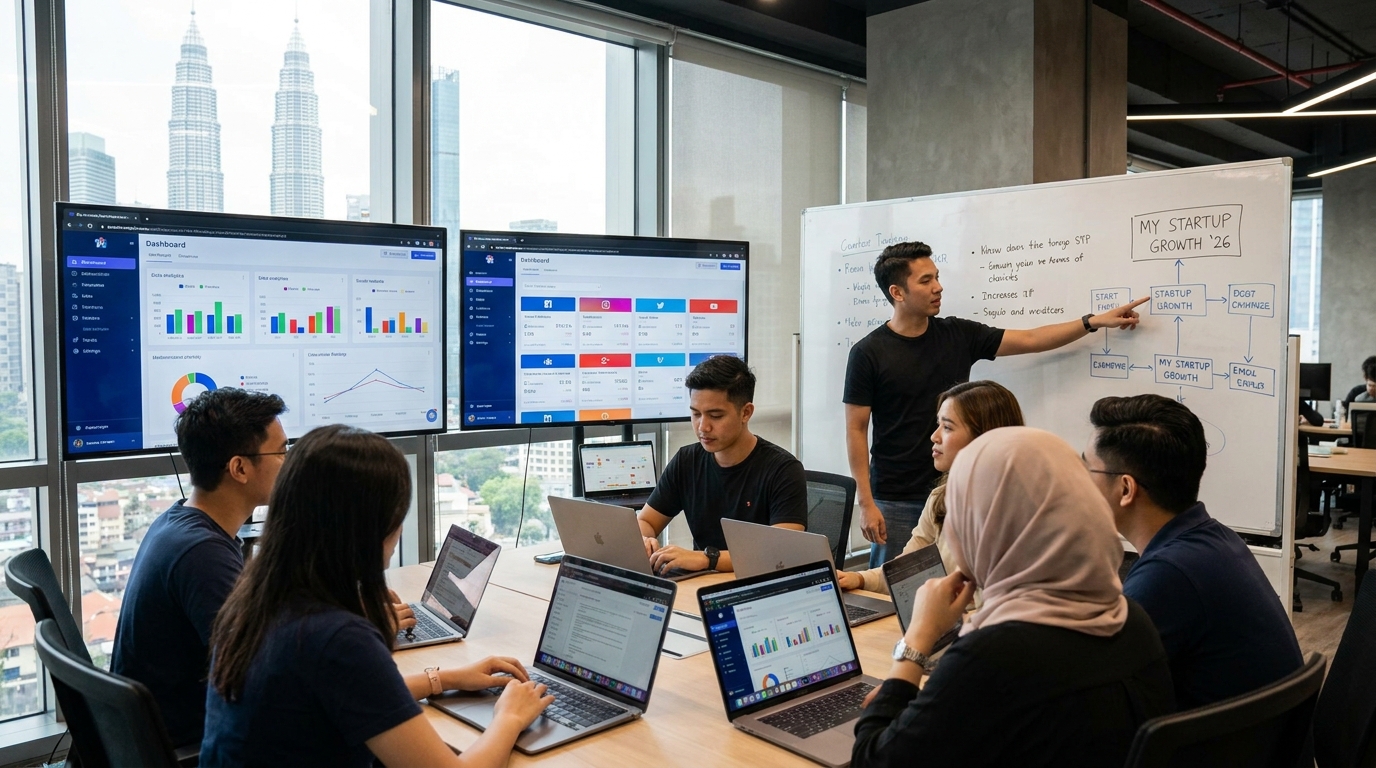
As we navigate the vibrant and ever-evolving digital landscape of Malaysia, it’s essential to recognize the unique characteristics that define our online environment. With a population of over 32 million, Malaysia boasts a diverse demographic that is increasingly tech-savvy. According to recent statistics, approximately 88% of Malaysians are active internet users, with social media penetration reaching around 80%. This presents a golden opportunity for small and medium enterprises (SMEs) and entrepreneurs to tap into a vast pool of potential customers.
The Malaysian government has been proactive in fostering a digital economy through initiatives like MyDIGITAL, which aims to transform Malaysia into a regional leader in the digital space. This initiative encourages businesses to adopt digital technologies, making it easier for us to connect with our audience. As we embrace this digital shift, understanding the local context and consumer behavior becomes crucial. By aligning our strategies with the preferences and habits of Malaysian consumers, we can create more effective marketing campaigns that resonate with our target audience.
In the ever-evolving landscape of online marketing, Malaysian SMEs must stay informed about the latest trends and strategies to remain competitive. A valuable resource that delves into essential aspects of online visibility is the article on Google’s 2026 ranking factors, which can be found at this link. This article provides insights into how Malaysian businesses can optimize their websites to meet future search engine criteria, ensuring they are well-prepared to enhance their online presence and attract more customers.
Leveraging Social Media Platforms Popular in Malaysia
Social media has become an integral part of our daily lives in Malaysia, serving as a powerful tool for businesses to engage with customers. Platforms like Facebook, Instagram, and TikTok are not just for socializing; they are also vital marketing channels. With over 24 million Facebook users in Malaysia, it’s clear that this platform offers immense potential for SMEs to reach their target audience. By creating engaging content that reflects our brand’s personality, we can foster a sense of community and loyalty among our followers.
Instagram, with its visually-driven content, is particularly popular among younger Malaysians. This platform allows us to showcase our products or services creatively, using high-quality images and videos. Additionally, TikTok has rapidly gained traction, especially among Gen Z consumers. By leveraging trending challenges or creating relatable content, we can capture the attention of this demographic and drive traffic to our websites. It’s essential for us to stay updated on the latest trends and adapt our strategies accordingly to maximize our reach on these platforms.
Implementing Search Engine Optimization (SEO) for Local Reach
In the digital age, having a strong online presence is crucial for Malaysian businesses. One of the most effective ways to achieve this is through Search Engine Optimization (SEO). By optimizing our websites for search engines like Google, we can improve our visibility and attract more local customers. This involves using relevant keywords that reflect what our potential customers are searching for. For instance, if we run a restaurant in Kuala Lumpur, incorporating keywords like “best Nasi Lemak in KL” can help us rank higher in search results.
Moreover, local SEO strategies are essential for SMEs looking to attract customers in their vicinity. This includes creating a Google My Business profile, which allows us to appear in local searches and provides essential information such as our address, operating hours, and customer reviews. By encouraging satisfied customers to leave positive reviews, we can enhance our credibility and attract new clients. As we implement these strategies, it’s important to monitor our website’s performance and make adjustments as needed to ensure we remain competitive in the Malaysian market.
Utilizing Pay-Per-Click (PPC) Advertising Effectively
Pay-Per-Click (PPC) advertising is another powerful tool that Malaysian businesses can leverage to drive traffic and increase sales. Platforms like Google Ads and Facebook Ads allow us to target specific demographics based on location, interests, and behaviors. This means we can tailor our ads to reach the right audience at the right time. For instance, if we’re promoting a new product launch, we can create targeted ads that appear to users who have shown interest in similar products.
One of the key advantages of PPC advertising is its ability to provide immediate results. Unlike organic methods that may take time to yield results, PPC campaigns can generate traffic almost instantly. However, it’s crucial for us to monitor our campaigns closely and analyze their performance regularly. By adjusting our bids and targeting options based on data insights, we can optimize our ad spend and achieve better returns on investment. As we navigate the competitive landscape of online advertising in Malaysia, staying informed about the latest trends and best practices will help us maximize our PPC efforts.
In the ever-evolving landscape of online marketing, Malaysian SMEs can greatly benefit from innovative strategies that leverage technology. A recent article discusses how automated web design using AI can enhance the online presence of entrepreneurs in Malaysia, making it easier for them to attract and engage customers. By adopting such cutting-edge solutions, businesses can streamline their marketing efforts and improve their overall effectiveness. For more insights on this topic, you can read the full article on automated web design for Malaysian entrepreneurs here.
Content Marketing Strategies Tailored for Malaysian Audiences
| Metric | Description | Typical Value for Malaysian SMEs | Recommended Strategy |
|---|---|---|---|
| Website Traffic | Number of visitors to SME website per month | 1,000 – 10,000 visitors | SEO optimization, local content marketing |
| Conversion Rate | Percentage of visitors who complete a desired action (purchase, sign-up) | 1% – 3% | Clear call-to-actions, user-friendly design |
| Social Media Engagement | Likes, shares, comments on social media posts | 2% – 5% engagement rate | Regular posting, interactive content, local language use |
| Email Open Rate | Percentage of recipients who open marketing emails | 15% – 25% | Personalized subject lines, segmented lists |
| Cost Per Click (CPC) | Average cost paid for each click in paid ads | 0.20 – 0.80 (in local currency units) | Targeted ads, keyword optimization |
| Return on Investment (ROI) | Revenue generated compared to marketing spend | 2x – 5x | Track campaigns, focus on high-performing channels |
| Mobile Traffic Percentage | Share of website visitors using mobile devices | 60% – 75% | Mobile-friendly website design, fast loading times |
Content marketing is an effective way for us to connect with our audience on a deeper level. By creating valuable and relevant content that addresses the needs and interests of Malaysian consumers, we can establish ourselves as thought leaders in our respective industries. This could include blog posts, videos, infographics, or even podcasts that provide insights into local trends or tips related to our products or services.
When crafting content for Malaysian audiences, it’s essential to consider cultural nuances and preferences. For example, incorporating local languages or dialects can make our content more relatable and engaging. Additionally, sharing stories that resonate with our audience’s experiences can foster a sense of connection and loyalty. As we develop our content marketing strategies, we should also focus on optimizing our content for search engines to ensure it reaches a wider audience.
Email Marketing Campaigns to Engage and Retain Customers
Email marketing remains one of the most effective channels for engaging with customers in Malaysia. With a high email penetration rate among Malaysians, this platform allows us to communicate directly with our audience and nurture relationships over time. By building an email list through sign-ups on our website or social media channels, we can create targeted campaigns that deliver personalized content to our subscribers.
To make our email marketing campaigns successful, it’s important to segment our audience based on their preferences and behaviors. For instance, if we run an online clothing store, we can send tailored promotions based on previous purchases or browsing history. Additionally, incorporating visually appealing designs and compelling subject lines can increase open rates and drive conversions. As we analyze the performance of our email campaigns, we should continuously refine our strategies based on customer feedback and engagement metrics.
Harnessing Influencer Marketing in Malaysia
Influencer marketing has gained significant traction in Malaysia as consumers increasingly turn to social media personalities for recommendations. Collaborating with local influencers who align with our brand values can help us reach new audiences and build credibility within our niche. Whether it’s through sponsored posts or product reviews, influencer partnerships can amplify our message and drive engagement.
When selecting influencers to work with, it’s essential for us to consider their audience demographics and engagement rates. Micro-influencers often have highly engaged followers who trust their recommendations, making them valuable partners for SMEs looking to make an impact without breaking the bank. By crafting authentic collaborations that resonate with both the influencer’s audience and our brand identity, we can create meaningful connections that drive results.
Mobile Marketing: Reaching Customers on the Go
In today’s fast-paced world, mobile marketing is more important than ever for Malaysian businesses. With a significant portion of the population accessing the internet via smartphones, optimizing our marketing strategies for mobile devices is crucial. This includes ensuring that our websites are mobile-friendly and that our content is easily accessible on smaller screens.
Additionally, leveraging SMS marketing can be an effective way to reach customers directly on their mobile devices. Sending personalized promotions or updates via text messages allows us to engage with customers in real-time. As we develop mobile marketing strategies, it’s important for us to consider user experience and ensure that our messaging is concise and impactful.
Utilizing E-commerce Platforms to Expand Sales Channels
The rise of e-commerce has transformed the way Malaysians shop, making it essential for businesses to establish an online presence. Platforms like Shopee and Lazada have become household names in Malaysia, providing SMEs with an opportunity to reach a broader audience without the need for extensive investment in physical storefronts. By listing our products on these platforms, we can tap into their existing customer base and drive sales.
Moreover, having our own e-commerce website allows us to create a unique shopping experience tailored to our brand identity. We can implement features such as personalized recommendations or loyalty programs that encourage repeat purchases. As we navigate the e-commerce landscape in Malaysia, it’s important for us to stay updated on consumer trends and preferences to ensure we remain competitive.
Analyzing Data and Metrics to Optimize Marketing Efforts
Data analysis plays a crucial role in optimizing our marketing efforts in Malaysia. By tracking key performance indicators (KPIs) such as website traffic, conversion rates, and customer engagement metrics, we can gain valuable insights into what’s working and what needs improvement. Tools like Google Analytics provide us with comprehensive data that helps us make informed decisions about our marketing strategies.
Regularly analyzing data allows us to identify trends and patterns in consumer behavior, enabling us to tailor our campaigns accordingly. For instance, if we notice that certain products are performing exceptionally well during specific seasons or events, we can adjust our marketing efforts to capitalize on these insights. By fostering a data-driven culture within our businesses, we can continuously refine our strategies and achieve better results.
Building a Strong Online Brand Presence for Long-Term Growth
In today’s competitive digital landscape, building a strong online brand presence is essential for long-term growth in Malaysia. This involves creating a cohesive brand identity that resonates with our target audience across all digital channels. From our website design to social media profiles, consistency in messaging and visuals helps establish trust and recognition among consumers.
Engaging with our audience through authentic interactions is also key to building brand loyalty. Responding promptly to customer inquiries or feedback demonstrates that we value their opinions and are committed to providing excellent service. As we cultivate relationships with our customers online, we should also focus on delivering exceptional experiences that keep them coming back.
In conclusion, navigating the digital landscape in Malaysia presents both challenges and opportunities for SMEs and entrepreneurs alike. By leveraging social media platforms, implementing effective SEO strategies, utilizing PPC advertising, engaging in content marketing, harnessing influencer partnerships, embracing mobile marketing, expanding through e-commerce platforms, analyzing data insights, and building a strong online brand presence, we can position ourselves for success in this dynamic environment.
If you’re looking for expert assistance in web design, SEO optimization, digital marketing strategies or e-commerce solutions tailored specifically for your business needs in Malaysia, look no further than 8Web services! Let’s work together to elevate your online presence and achieve your business goals!
FAQs
What are some key components of an effective online marketing strategy for Malaysian SMEs?
An effective online marketing strategy for Malaysian SMEs should include elements such as search engine optimization (SEO), social media marketing, content marketing, email marketing, and online advertising.
How can Malaysian SMEs leverage social media platforms for their online marketing strategy?
Malaysian SMEs can leverage social media platforms by creating engaging content, interacting with their audience, running targeted ads, collaborating with influencers, and analyzing data to optimize their social media marketing efforts.
Why is it important for Malaysian SMEs to have a mobile-friendly website as part of their online marketing strategy?
Having a mobile-friendly website is crucial for Malaysian SMEs as a large percentage of internet users in Malaysia access websites through mobile devices. A mobile-friendly website ensures a positive user experience and can improve search engine rankings.
How can Malaysian SMEs measure the success of their online marketing efforts?
Malaysian SMEs can measure the success of their online marketing efforts by tracking key performance indicators (KPIs) such as website traffic, conversion rates, social media engagement, email open rates, and return on investment (ROI) from online advertising campaigns.
What are some cost-effective online marketing strategies that Malaysian SMEs can implement?
Some cost-effective online marketing strategies for Malaysian SMEs include creating high-quality content, utilizing social media platforms organically, optimizing for local SEO, engaging with online communities, and leveraging email marketing to nurture customer relationships.