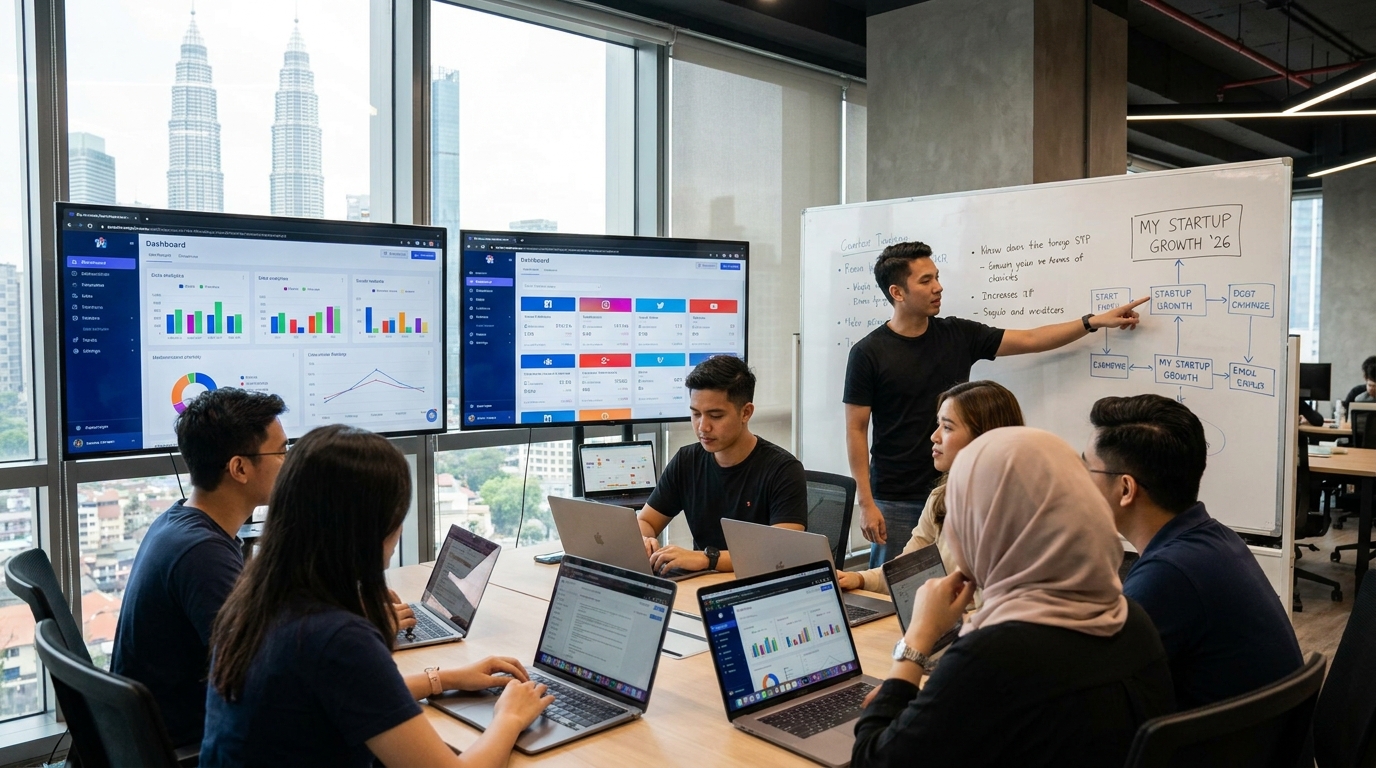
The Development of Malaysian Web Design Over the past 20 years, Malaysian web design has experienced a significant shift. At first, websites were mostly static, had little interaction, and concentrated on disseminating simple information. Early in the new millennium, as the internet gained popularity, Malaysian companies started to see the benefits of having an online presence.
Key Takeaways
- Web design in Malaysia has evolved significantly, emphasizing modern aesthetics and functionality.
- Responsive design is crucial to ensure websites perform well across all devices.
- E-commerce integration is vital for Malaysian businesses to expand their online presence.
- SEO strategies must be aligned with web design to improve search engine rankings.
- User experience, accessibility, and inclusivity are key factors in creating effective Malaysian websites.
As a result, local agencies adopted more advanced technologies and design principles in response to the spike in demand for web design services. Web design trends were greatly impacted by the proliferation of mobile devices by the mid-2010s. Since more than 90% of Malaysians use smartphones to access the internet, responsive design has become essential rather than optional. This change affected how businesses approached their online strategies as well as how websites were constructed. These days, user experience and mobile optimization are key components of Malaysian web design, which combines functionality and aesthetics.
For businesses looking to enhance their online presence, understanding the latest trends in web design is crucial. A related article that provides valuable insights into effective web design strategies is available at Web Design Malaysia: The Complete Guide for Businesses in 2026. This comprehensive guide covers essential aspects of web design tailored specifically for the Malaysian market, ensuring that businesses can create visually appealing and user-friendly websites that meet the demands of their target audience.
For any website hoping to thrive in today’s digital environment, responsive design is now more than just a fad. The layout and content of a responsive website are automatically modified according to the screen size and orientation of the device being used. Whether users are using a desktop, tablet, or smartphone to browse, this flexibility guarantees a smooth experience. User engagement and conversion rates can be greatly impacted by responsive design in Malaysia, where mobile internet usage is common.
As of 2023, about 80% of Malaysian internet users access websites via mobile devices, according to a Statista report. This figure emphasizes how crucial responsive design is for local companies trying to draw in and keep customers. Because Google gives preference to mobile-friendly websites in its algorithms, a well-optimized website improves both the user experience and search engine rankings. Malaysia’s e-commerce industry has grown exponentially, especially since the COVID-19 pandemic.
Businesses must adapt by integrating strong e-commerce solutions into their websites as more customers shop online. Businesses can quickly and effectively set up online stores thanks to platforms like Shopify & WooCommerce, which have user-friendly interfaces. Using e-commerce solutions can boost sales and market reach for Malaysian SMEs.
For businesses looking to enhance their online presence, understanding the nuances of web design in Malaysia is crucial, especially as we approach 2026. A comprehensive resource that can provide valuable insights is the article available at Web Design Malaysia: The Complete Guide for Businesses in 2026. This guide covers essential strategies and trends that can help companies create effective and visually appealing websites tailored to the Malaysian market. By staying informed through such resources, businesses can ensure they remain competitive in the ever-evolving digital landscape.
| Metric | 2024 | 2025 | 2026 (Projected) | Notes |
|---|---|---|---|---|
| Number of Web Design Agencies in Malaysia | 1,200 | 1,350 | 1,500 | Steady growth due to digital transformation |
| Average Website Load Time (seconds) | 3.5 | 3.0 | 2.5 | Improved infrastructure and optimization |
| Mobile-Friendly Website Adoption (%) | 75% | 85% | 95% | Mobile-first design becoming standard |
| Percentage of Businesses with E-commerce Websites | 40% | 50% | 65% | Growth driven by online shopping trends |
| Average Website Conversion Rate (%) | 2.8% | 3.2% | 3.8% | Better UX/UI and targeted marketing |
| Use of AI in Web Design (%) | 10% | 25% | 45% | AI tools for personalization and automation |
| Average Cost of Web Design Project (in local currency) | 8,000 | 8,500 | 9,200 | Reflects increased demand and complexity |
Local companies that have effectively capitalized on the trend of online shopping include FashionValet and Lazada. Businesses can improve customer satisfaction and streamline operations by integrating e-commerce features like inventory management, safe payment gateways, and customer relationship management (CRM) tools. Evaluating the costs associated with e-commerce solutions is crucial.
While Shopify and other similar platforms charge monthly fees in addition to transaction fees, WooCommerce is free but may need to pay extra for hosting and plugins. Companies should evaluate their financial constraints and select a solution that offers the features required for expansion. One important aspect of web design that should not be disregarded is search engine optimization, or SEO.
If a beautifully designed website doesn’t draw in visitors, it is useless. Optimizing a website’s various components to increase its visibility on search engines like Google is known as SEO. This covers link-building tactics, on-page optimization, and keyword research.
Effective SEO can help a business stand out from its rivals in Malaysia, where there is intense competition in many different industries. For example, local companies can gain from focusing on long-tail keywords that represent particular goods or services they provide. Optimizing headers, meta tags, & images can also improve user experience and search engine rankings. Businesses should think about investing in expert services or tools that enable them to monitor their performance in order to implement SEO successfully. Depending on how complicated the SEO strategy is and whether companies decide to manage it internally or through an agency, costs can differ significantly. Nevertheless, the long-term advantages of enhanced visibility and more traffic frequently exceed the initial outlay of funds.
Web design heavily relies on user experience (UX), which has a direct impact on how users interact with a website. Increased conversions, decreased bounce rates, and higher engagement rates can all result from a good user experience. On the other hand, a badly designed website may annoy and alienate visitors. For Malaysian companies, developing a successful user experience (UX) requires a thorough understanding of their target market. To find preferences & pain points, user research must be done.
The user experience can be greatly improved by basic design features like simple navigation, quick loading times, & obvious calls to action. Also, adding feedback tools like surveys or usability testing can offer insightful information about how users view the website. Businesses can develop a more engaging online environment that promotes loyalty & repeat visits by continuously improving the user experience (UX) based on user feedback. Social media is now a crucial component of digital marketing plans for companies all over the world, including those in Malaysia. Social media integration with web design can increase brand awareness and website traffic.
Businesses can encourage users to interact with their social media profiles by integrating social media buttons and feeds into their website designs. Naiise and other local brands have successfully integrated social media to improve their online presence. They have effectively created a community around their brand by showcasing user-generated content and encouraging social sharing options on their websites.
Businesses should make sure that their social media links are both aesthetically pleasing and easily accessible when creating websites with social media integration in mind. Also, producing content that can be shared, like blog entries or infographics, can motivate users to post about their experiences on social media, thereby increasing reach. Web design must be inclusive and accessible to all users as Malaysia continues to embrace diversity. This entails developing websites that accommodate people with disabilities or those who might have trouble accessing online content.
The user experience for people with disabilities can be greatly improved by implementing accessibility features like keyboard navigation options, screen reader compatibility, & alt text for images. About 15% of Malaysians have a disability, according to a report by the Malaysian Communications & Multimedia Commission (MCMC). As a result, businesses have a moral and legal duty to ensure accessibility. Also, in Malaysia’s multicultural society, creating multilingual and culturally sensitive websites can help reach a wider audience. Businesses can cultivate goodwill & grow their clientele by emphasizing accessibility and inclusivity in web design.
For Malaysian companies wishing to create or update their online presence, choosing the correct web design firm is essential. It’s crucial to take into account elements like experience, portfolio, client testimonials, and cost structures because there are many agencies providing different services. Businesses should seek out agencies with experience in their particular industry or niche when assessing possible agencies.
An agency’s design style and capabilities can be inferred from a solid portfolio that highlights prior work. Also, evaluating the agency’s dependability and customer service can be aided by reading client testimonials. Another important factor to consider when selecting a web design agency is cost. Although it might be tempting to choose the least expensive option, spending money on high-quality design services frequently produces better long-term outcomes.
Companies should look for agencies that provide clear service descriptions and transparent pricing models. In conclusion, navigating the world of web design necessitates giving careful thought to a variety of elements that affect user experience and business success. Businesses can position themselves for growth in an increasingly digital marketplace by understanding the evolution of web design in Malaysia and giving priority to responsive design, e-commerce solutions, SEO strategies, user experience enhancements, social media integration, accessibility measures, and choosing the right agency. Get in touch with 8web . my right now for specialized web design solutions that satisfy your Malaysian business requirements!
FAQs
What is web design and why is it important for businesses in Malaysia?
Web design refers to the process of creating and organizing the visual elements, layout, and user experience of a website. For businesses in Malaysia, effective web design is crucial as it helps establish a strong online presence, attract and retain customers, and improve brand credibility in a competitive digital market.
What are the key web design trends for Malaysian businesses in 2026?
Key web design trends for 2026 include mobile-first design, minimalistic layouts, fast loading speeds, interactive elements, AI-driven personalization, and integration with e-commerce platforms. These trends help businesses provide a seamless and engaging user experience tailored to local consumer preferences.
How much does professional web design typically cost for businesses in Malaysia?
The cost of professional web design in Malaysia varies depending on the complexity, features, and customization required. Basic websites may start from a few hundred Malaysian Ringgit, while more advanced, custom-designed sites with e-commerce capabilities can cost several thousand Ringgit.
What are the essential features a business website should have in 2026?
Essential features include responsive design for mobile devices, fast loading times, clear navigation, contact information, integration with social media, secure payment gateways for e-commerce, SEO optimization, and accessibility compliance to cater to all users.
How can Malaysian businesses ensure their website is SEO-friendly?
Businesses can ensure SEO-friendliness by using clean code, optimizing page load speed, incorporating relevant keywords, creating quality content, using descriptive meta tags, ensuring mobile compatibility, and obtaining backlinks from reputable sources.
Is it better for Malaysian businesses to use website builders or hire professional web designers?
Website builders are cost-effective and suitable for small businesses with simple needs, offering ease of use and quick setup. However, hiring professional web designers is recommended for businesses requiring customized designs, advanced features, and ongoing support to create a unique and scalable online presence.
How important is website security for Malaysian businesses?
Website security is critical to protect sensitive customer data, prevent cyberattacks, and maintain trust. Implementing SSL certificates, regular software updates, secure payment systems, and data encryption are essential practices for Malaysian businesses to safeguard their websites.
What role does mobile optimization play in web design for Malaysian businesses?
Mobile optimization ensures that websites function smoothly on smartphones and tablets, which is vital as a significant portion of Malaysian internet users access the web via mobile devices. A mobile-optimized site improves user experience, reduces bounce rates, and enhances search engine rankings.
How can Malaysian businesses measure the success of their web design?
Success can be measured through metrics such as website traffic, user engagement, conversion rates, bounce rates, page load times, and customer feedback. Tools like Google Analytics help businesses track these indicators and make data-driven improvements.
What are the common challenges Malaysian businesses face in web design?
Common challenges include limited budget, lack of technical expertise, keeping up with evolving design trends, ensuring website security, and creating content that resonates with the local audience while maintaining global appeal.